
React Native
React Native
React Native is an open-source framework developed by Facebook for building mobile applications using JavaScript and React. It enables developers to create natively rendered mobile apps for iOS and Android using a single codebase.
| Duration | 4 Weeks | Class Hours | 1 hour/day |
| Lab Hours | 2 hours/day | Prerequisite | Basic Programming Knowledge |
| Certificate | After Successful Completion of Course | Trainer | Industry Experienced Mentor |
| Study Material | Books, Notes and Online Tests | Online Test | Unlimited |
| Project | Yes | Lectures In | English / Hinglish / Hindi |
| Fees | Please Call | Placement Support | No |
| Complimentary | Laptop Bag and T-Shirt | ||
About React Native
Key Features of React Native:
Single Codebase
React Native allows developers to write code once and deploy it on both iOS and Android platforms, reducing development time and effort.
Hot Reloading
React Native's hot reloading feature enables developers to see the changes they make in the code instantly, without restarting the app, speeding up the development process.
Native Components
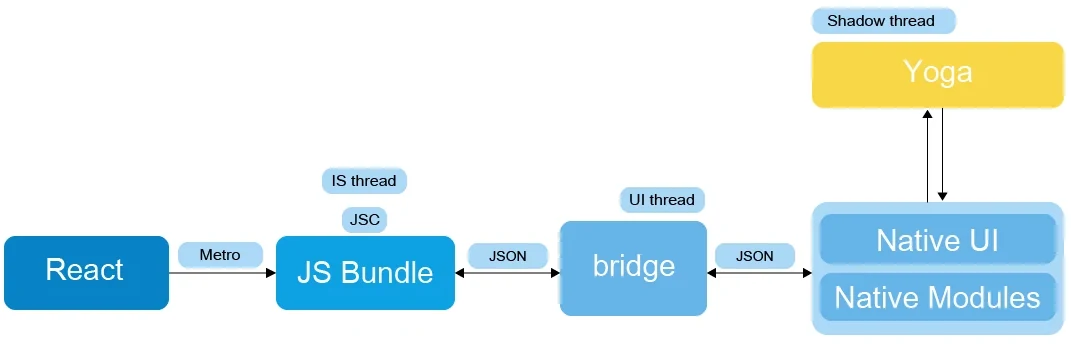
React Native uses native components, ensuring high performance and a seamless user experience. It bridges JavaScript and native code, allowing developers to use native modules when needed.
Declarative UI
React Native leverages React's declarative UI paradigm, making it easier to design and manage complex UIs with a clear and simple code structure.
Extensive Library Support
React Native has a vast ecosystem of libraries and third-party plugins, providing solutions for common functionalities like navigation, state management, and form handling.
Community and Ecosystem
React Native has a large and active community, offering extensive documentation, tutorials, and support. The ecosystem includes numerous libraries and tools that facilitate app development.
Cross-Platform Development
React Native supports cross-platform development, allowing developers to share code between web and mobile apps using tools like React Native Web.
Complete React Native Syllabus
6 Modules · 4 Weeks
The syllabus for React Native development covers essential concepts and techniques for building cross-platform mobile applications using the React Native framework. Here’s an overview of the syllabus:
-
- Overview of React Native Framework
- Setting up React Native Environment
- Understanding Components and JSX
- Creating Your First React Native App
-
- Exploring React Native Component Library
- Working with Basic and Advanced Components
- Building Responsive UIs with Flexbox
- Styling and Theming in React Native
-
- Understanding State and Props
- Managing State with useState and useReducer
- Implementing Context API for State Management
- Using Third-Party Libraries like Redux
-
- Navigation Basics with React Navigation
- Implementing Stack, Tab, and Drawer Navigation
- Passing Data Between Screens
- Advanced Navigation Techniques
-
- Fetching Data from APIs with Fetch and Axios
- Handling JSON and RESTful Services
- Working with Asynchronous Operations
- Implementing Caching and Offline Support
-
- Working with Device APIs and Services
- Building Custom Native Modules
- Testing and Debugging React Native Apps
- Optimizing Performance and App Size
This syllabus provides a comprehensive overview of React Native development, equipping students with the necessary skills to build cross-platform mobile apps using the React Native framework.
Why Should a Student or Professional Learn React Native?
- Cross-Platform Development: React Native allows developers to build applications for both iOS and Android using a single codebase.
- Reusable Components: React Native's component-based architecture enables code reusability, which speeds up development and simplifies maintenance.
- Popularity and Demand: React Native is widely used by companies, making React Native developers highly sought after in the job market.
- Strong Community and Ecosystem: React Native has a large and active community, offering extensive libraries, tools, and support.
- Fast Refresh: React Native's Fast Refresh feature allows developers to see the results of the latest changes instantly, improving development efficiency.
- Integration with Native Code: React Native allows seamless integration with native code (Swift, Objective-C, Java, Kotlin), providing flexibility to use native APIs and modules.
- Performance: React Native is optimized for performance, providing near-native performance for complex applications.
By learning React Native, students and professionals can gain expertise in building high-quality, cross-platform mobile applications, opening up numerous opportunities in the tech industry.
Interesting Facts
React Native is an open-source framework developed by Facebook for building mobile applications using JavaScript and React. It enables developers to create native apps for iOS and Android with a single codebase. Here are some interesting facts about React Native:
1. Cross-Platform Development
Unified Codebase
React Native allows developers to write code once and deploy it on both iOS and Android platforms, reducing development time and maintaining consistency across different devices.
2. Built on React
Familiar Syntax
React Native uses React, a popular JavaScript library for building user interfaces, which means developers can leverage their knowledge of React for mobile development.
3. Native Components
Native Performance
React Native bridges the gap between web and native development by allowing developers to use native components, providing a high-performance user experience similar to fully native apps.
4. Hot Reloading
Immediate Updates
React Native's Hot Reloading feature lets developers see the results of code changes instantly without rebuilding the entire app, speeding up the development process and improving productivity.
5. Strong Community Support
Vibrant Ecosystem
React Native has a large and active community that contributes to a wealth of libraries, tools, and resources, making it easier for developers to find solutions and support.
6. Backed by Facebook
Corporate Support
Developed and maintained by Facebook, React Native benefits from strong corporate backing, ensuring continuous development, updates, and improvements.
7. Code Sharing with React
Reusable Code
React Native allows for code sharing between web and mobile applications, making it possible to reuse some of the code written for React web applications in mobile projects.
8. Popular Apps Built with React Native
High-Profile Usage
Many well-known apps, such as Instagram, Facebook, and Airbnb, have been built with React Native, demonstrating its effectiveness and reliability in producing high-quality mobile applications.
9. Flexibility in Development
Customizable
React Native offers flexibility in development by allowing developers to mix native code with JavaScript, enabling the use of native modules and libraries when needed.
10. Efficient UI Rendering
Optimized Performance
React Native uses a virtual DOM to efficiently manage UI updates, ensuring that only the necessary components are re-rendered, which enhances app performance and responsiveness.
Training Program Fee
Get Personalized Career Guidance
Our admissions team specializes in helping students choose the right career path for their goals.